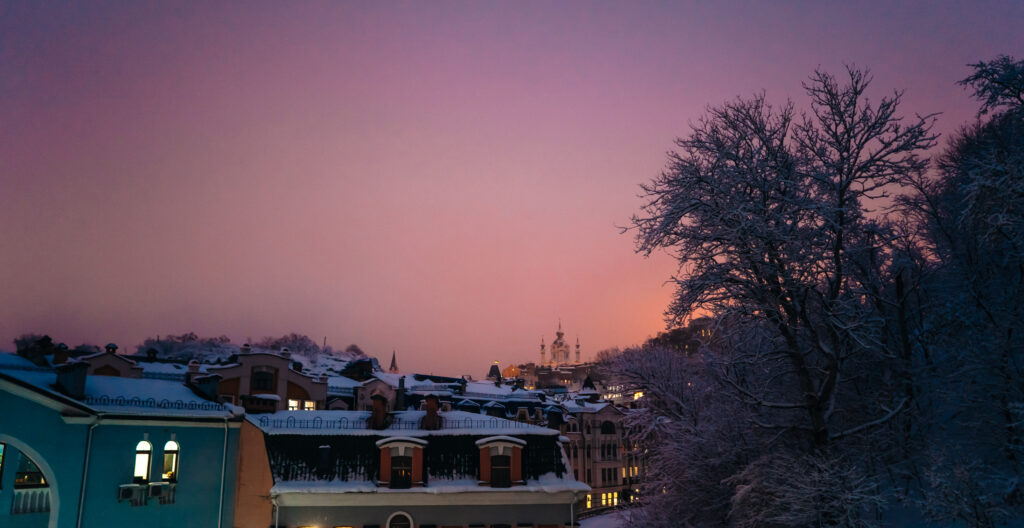
Top 5 Most Beautiful Places in Campania During Winter
When most tourists pack their bags after the summer season, Campania reveals its true face. This region, known mainly for sun-drenched beaches and summer crowds, transforms into a peaceful haven full of authentic Italian charm during winter. Wondering what to see in Campania in winter? I can assure you there are plenty of options, and each offers something uniquely special.
During my first winter visit to Campania, I was surprised by how much the region gains when the summer bustle subsides. Small coastal towns regain their local character, restaurants buzz with Italian instead of four languages simultaneously, and accommodation prices drop by almost half. Temperatures rarely fall below 50°F (10°C), making sightseeing much more pleasant than in the scorching summer heat.
The best part? With a rental car, you can freely explore the region’s hidden treasures at your own pace, without fighting for bus seats or depending on limited schedules. Let me show you five places that are absolutely magical in winter.
Why Visit Campania in Winter?
Campania in winter is a completely different experience than during peak season. Temperatures range between 50-59°F (10-15°C) – perfect for all-day sightseeing without exhausting heat. Empty streets mean not only greater comfort but also a chance for genuine interactions with locals, who have more time to chat during winter months.
Your wallet will thank you too – hotel prices drop by up to 50%, and restaurants offer special winter menus featuring seasonal local products. Museums and monuments stop being a race through tourist crowds. In Pompeii, instead of pushing through tour groups, you can peacefully contemplate history. Winter light creates perfect scenery for photography – soft, golden, without harsh shadows.
Campania in winter is a region for those who want to feel its true soul, not just check off must-see points from a list.
Positano and the Amalfi Coast Without Crowds – Winter Magic on the Shore
The Amalfi Coast in winter is one of the most underrated experiences in Italy. When I first drove the serpentine coastal road SS163 in December, I felt like I’d discovered a secret world. Positano, usually besieged by Instagram-hunting crowds, lay before me peaceful and authentic.
Pastel houses climbing the cliff look even more picturesque in winter, especially when morning brings light fog floating over the bay. Narrow streets, impossible to navigate in July, now belong to a handful of guests and local residents. You can peacefully sit in a café overlooking the sea and spend the entire afternoon there without the pressure of bustling crowds.
Ravello, perched 1,150 feet above sea level, offers spectacular winter panoramas. The gardens of Villa Cimbrone, though less blooming than in summer, possess a melancholic elegance. The famous Terrace of Infinity – often deserted – allows for peaceful contemplation of views that inspired Graham Greene and other artists.
In Amalfi itself, the town pulses with life even in winter. The Cathedral of Sant’Andrea with its Byzantine-Arab influences makes a huge impression without crowds of tourists waiting to enter. Local trattorias serve winter specials – hot pasta with seafood, freshly caught that morning, and scialatielli ai frutti di mare that tastes better here than anywhere else.
Practical tips: Parking in Positano is challenging even in winter – I recommend the paid parking at the town entrance (about €5/hour). The drive from Naples takes about 90 minutes, but the narrow, winding road requires confidence behind the wheel. Best to visit on a weekday when there are even fewer people.
Sorrento – Winter Gateway to the Bay of Naples
Sorrento in winter is a place that maintains its charm year-round. Perched on cliffs overlooking the Bay of Naples with majestic Vesuvius in the background, the city doesn’t fall into winter hibernation like some seaside resorts.
The main street, Corso Italia, is full of life – local families shopping, elderly gentlemen playing cards in cafés, and students meeting after classes. It’s precisely this everyday authenticity that makes Sorrento so genuine in winter. In December, the city sparkles with Christmas lights, and Piazza Tasso transforms into a stage for traditional Christmas markets.
You can’t miss the local specialties – limoncello made from local lemons isn’t just a drink here but part of the culture. Many manufacturers offer tastings and production tours. I recommend Limonoro on Via San Cesareo – a family business where you can see the entire process and buy authentic products, not industrial tourist souvenirs.
The Villa Comunale viewpoint offers breathtaking panoramas. At sunset, when Vesuvius becomes a silhouette against the pinking sky, you’ll understand why this place has inspired poets since ancient Roman times.
From Sorrento, it’s easy to reach Capri by ferry (though winter connections are less frequent) or drive to Pompeii. The city is an ideal base – it has good infrastructure, plenty of restaurants open year-round, and easy access to the A3 highway.
My advice: Book a table at Da Emilia for dinner – a family restaurant overlooking the bay, where they serve the best gnocchi alla sorrentina I’ve ever had. Arrive before sunset to enjoy the views with a good glass of wine.
Pompeii and Herculaneum – Ancient Ruins in Winter Silence
Visiting Pompeii on a summer day is an exhausting experience – temperatures exceeding 95°F (35°C), no shade, and seas of tourists. In winter? Completely different story. When I walked through the empty streets of this time-frozen city on a January morning, I could almost hear the echo of daily life from nearly 2,000 years ago.
The ruins in winter light have a special atmosphere. Soft, low sun highlights details of frescoes and mosaics that you simply can’t see in the harsh midday summer glare. The Forum, House of the Vettii, Amphitheater – all these places gain a new dimension when you can stand in them alone and let your imagination transport you to the past.
Herculaneum, the smaller and better-preserved brother of Pompeii, is even more intriguing in winter. Located closer to the sea, the city was buried by hot volcanic mud instead of ash, which paradoxically allowed for the preservation of wooden elements and even food. Two-story buildings with preserved balconies and wood structure are something you won’t see in Pompeii. In winter, with a handful of visitors, you can truly appreciate the intimacy of this place.
Combining both sites in one day is possible – they’re only 12 miles apart. Start with Herculaneum in the morning (smaller, quicker to tour), then drive to Pompeii for the afternoon. A combined ticket costs about €20 and is valid for 3 days.
For photographers: Hours right after opening (9:00 AM in winter) or before closing (around 3:30-5:00 PM depending on the month) provide the most beautiful light. Remember comfortable shoes – ancient stone streets can be slippery after rain.
Paestum – Greek Temples in the Heart of Campania
Paestum is a place many tourists skip, which is a mistake – especially in winter. Three perfectly preserved Greek temples from the 6th and 5th centuries BC stand on a flat plain, surrounded only by meadows and mountains in the background. It’s one of the best-preserved temple complexes from the Greek world outside Greece.
The Temple of Neptune, massive and imposing, looks like a time machine in winter. Without tourist crowds, you can sit on the grass (if it’s not wet) and simply admire architecture that has survived 2,500 years. Soft winter light gives the honey-colored stone a warm, golden hue.
The archaeological museum on-site is a treasure – the famous paintings from the Tomb of the Diver (one of the few surviving examples of Greek figurative painting) and hundreds of other artifacts. In winter, you have them practically to yourself.
But Paestum isn’t just ancient history. The region is famous for producing mozzarella di bufala, and most farms offer tastings. Tenuta Vannulo, located a few kilometers from the ruins, is a real experience – you can see the buffalo (which are especially active in winter since they’re not escaping the heat), learn about the production process, and taste the freshest mozzarella you can imagine. Fresh, still warm, with a drizzle of olive oil – it’s a taste you’ll remember for years.
Getting there: From Naples via A3 highway toward Reggio Calabria, Battipaglia exit, then national road. About 90 minutes driving through scenic countryside. Parking by the ruins is free and spacious.
Caserta and the Royal Palace – Italy’s Versailles
The Royal Palace of Caserta (Reggia di Caserta) is a masterpiece of Baroque architecture that rivals Versailles in both size and splendor. 1,200 rooms, 1,742 windows, courtyards that take your breath away – it’s architect Luigi Vanvitelli’s 18th-century design, realized for the Neapolitan Bourbons.
The palace has a special charm in winter. While the gardens lose some of their summer green magnificence, the palace interiors – rich royal apartments, marble staircases, enormous ballrooms – provide an excellent alternative on cooler days. The throne rooms, Palatine Library with its frescoes and collection of old books, private chambers – each room is a separate story.
The gardens stretch for nearly 2 miles in a straight line from the palace. In winter, they maintain their geometric elegance, though fountains operate only on weekends (for energy savings). Walking the main avenue to the Great Cascade (Cascata Grande) is like journeying through history – you pass fountains, sculptures, pavilions until you reach the impressive cascade fed by a specially built aqueduct.
A bonus is Caserta Vecchia – a medieval town located 6 miles from Caserta, high in the mountains. Narrow streets, a Romanesque-Gothic cathedral from the 13th century, authentic trattorias serving regional specialties. Views of the plain and palace below are spectacular. In winter there are few tourists, so you can feel the atmosphere of a small, mountainous Italian village.
Practical info: The palace is located just 18 miles from Naples, accessible via A1 highway. Parking at the palace costs a few euros. Tickets are worth buying online to skip lines (though they’re small in winter). Reserve at least 3-4 hours for visiting.
Car Rental in Campania in Winter – Key to Free Exploration
After visiting all these places, I can say with full confidence: renting a car in Campania in winter is the best decision you can make. Public transport, though existing, is limited, irregular, and even more unpredictable in winter. Want to see Paestum and return the same day to Naples? With a bus, that’s a logistical feat. With your own car? Easy.
In winter, there’s significantly less traffic on the roads, so even the famous Amalfi Coast serpentines are much less stressful. However, there are things worth remembering. First, check if the car has all-season or winter tires – though snow is rare in Campania’s lowlands, in the mountains (like on the road to Caserta Vecchia) it can happen. Second, make sure insurance includes full coverage – narrow roads and parking in Italian towns can be demanding.
The coastal serpentines require confidence. The road is narrow, winding, and locals drive… let’s say, boldly. Don’t be intimidated though – drive at your own pace, use passing spots when someone wants to overtake, and enjoy the views. Remember that in many coastal towns, parking is paid and limited – arrive early in the morning or late afternoon.
If you’re looking for a reliable rental company in Naples, it’s worth considering local firms like JobGo rent a car, which know the region’s specifics and often offer better service than international chains. Flexible return, clear terms, and the possibility of contact in emergency situations are especially important in winter.
My tips:
- Fuel up early – stations in mountainous areas may be closed on Sundays
- Have cash for toll roads and parking (not all accept cards)
- Download offline maps – coverage in the mountains can be poor
- Start your day early – at 8:00-9:00 AM you have the emptiest roads and best light for photos
Campania in Winter Awaits You
These five places are just the tip of the iceberg of what Campania has to offer in winter. The Amalfi Coast without crowds, ancient ruins in peace, palaces and temples in soft winter light – each offers something unique, impossible to experience in the summer peak season.
The most beautiful places in Campania in winter reveal their true soul – without the masks of tourist attractions, but with authenticity that has remained in the region for centuries. Lower temperatures, empty streets, and low prices are just bonuses. The real reward is the moments when you sit in a small trattoria in Ravello, eating homemade gnocchi, while the owner tells you his family’s history. Or when you stand alone in Pompeii at dawn, listening to silence that speaks louder than any guide.
So pack your suitcase, book a car, and hit the road. Campania in winter is waiting just for you – with open arms, a warm smile, and stories that will change the way you look at Italy. What are you waiting for?
Practical Information – What You Should Know
Temperature: 50-59°F (10-15°C) during the day, 41-50°F (5-10°C) at night (December-February)
What to Pack:
- Layered clothing (mornings are cool, afternoons warmer)
- Windbreaker or light jacket
- Comfortable walking shoes (waterproof in December/January)
- Umbrella (rain occurs regularly)
Average Drive Time from Naples:
- Amalfi Coast: 90 minutes
- Sorrento: 60 minutes
- Pompeii: 40 minutes
- Paestum: 90 minutes
- Caserta: 40 minutes
FAQ – Frequently Asked Questions
Is it worth going to Campania in December?
Absolutely yes! December is a magical time – Christmas lights, Christmas markets in Naples and Sorrento, and significantly fewer tourists. Temperatures are mild (50-59°F / 10-15°C), ideal for sightseeing. The only downside is shorter days, so plan sightseeing between 9:00 AM and 5:00 PM.
How long do I need a car in Campania?
Minimum 3-4 days to comfortably see the main attractions. Ideally a week – this gives time for relaxed sightseeing without rush and discovering lesser-known places. From Naples as a base, all described places are accessible as day trips.
Is the Amalfi Coast accessible in winter?
Yes, roads are open year-round. Most restaurants and hotels also operate, though some smaller places close in January-February. Check opening hours of specific places before visiting.
Does it rain a lot in Campania in winter?
Rain occurs, especially in November and December, but rarely lasts all day. Usually it’s short showers interspersed with sunny moments. Always have an umbrella or light windbreaker with you.